
Your Cloud Security Certifications Won’t Save You in 2026 .. This Will
How to Build a Cloud Security Portfolio in 2026 That Actually Gets You Hired

A friend of mine runs hiring for a cloud security team, and a few months ago she called me after an interview she couldn’t stop thinking about. On paper the candidate was flawless: three certifications, eight years on AWS, every acronym in the right place. Then one of her engineers asked a simple question ..“An AI agent in your environment just spun up its own credentials and started reading from a bucket it was never granted. Walk me through your first five minutes.”
Silence, she said. He talked about security groups. He talked about the shared responsibility model. He never once mentioned the agent’s identity .. because in the world he’d trained for, software didn’t have identities that acted on their own.
They didn’t move him forward. Not because he wasn’t good, she told me, but because he was good at 2022.
The cloud stopped being a “nice to have” for security teams a long time ago. It is the battleground now, and in 2026 the ground has shifted again. The skills that got you hired two years ago .. “I know AWS/Azure/GCP basics,” “I can configure a security group” .. are now table stakes. They get you past the résumé screen and nowhere near the offer.
What changed? Three things collided at once. Autonomous AI agents moved from demos into production and started provisioning their own access. Machine identities quietly outgrew human ones by an order of magnitude. And post-quantum cryptography went from a research topic to a set of finalized standards with a migration clock ticking. Securing the cloud in 2026 means operating through the lens of scale, autonomy, identity sprawl, and a threat model that rewrites itself every quarter.
Here are the skill areas that will define the cloud security professional of 2026 .. and how to orient your learning so you are the person the room relies on, not the one being left behind.
1. Multi-Cloud and Hybrid Mastery
Almost no serious organization runs on a single provider anymore. Hybrid and multi-cloud is the default, and it will stay that way.
What this means for you: fluency isn’t about one console. It’s about reasoning across identity, permissions, network architecture, encryption, and telemetry in several clouds at once .. and knowing the real trade-offs between provider-native tooling and third-party platforms that promise a single pane of glass
Skills to build: cross-cloud IAM modeling, network segmentation across hybrid topologies, data-flow visibility between on-prem and cloud, and unified logging and detection that actually correlates events across platforms instead of dumping them in five separate dashboards.
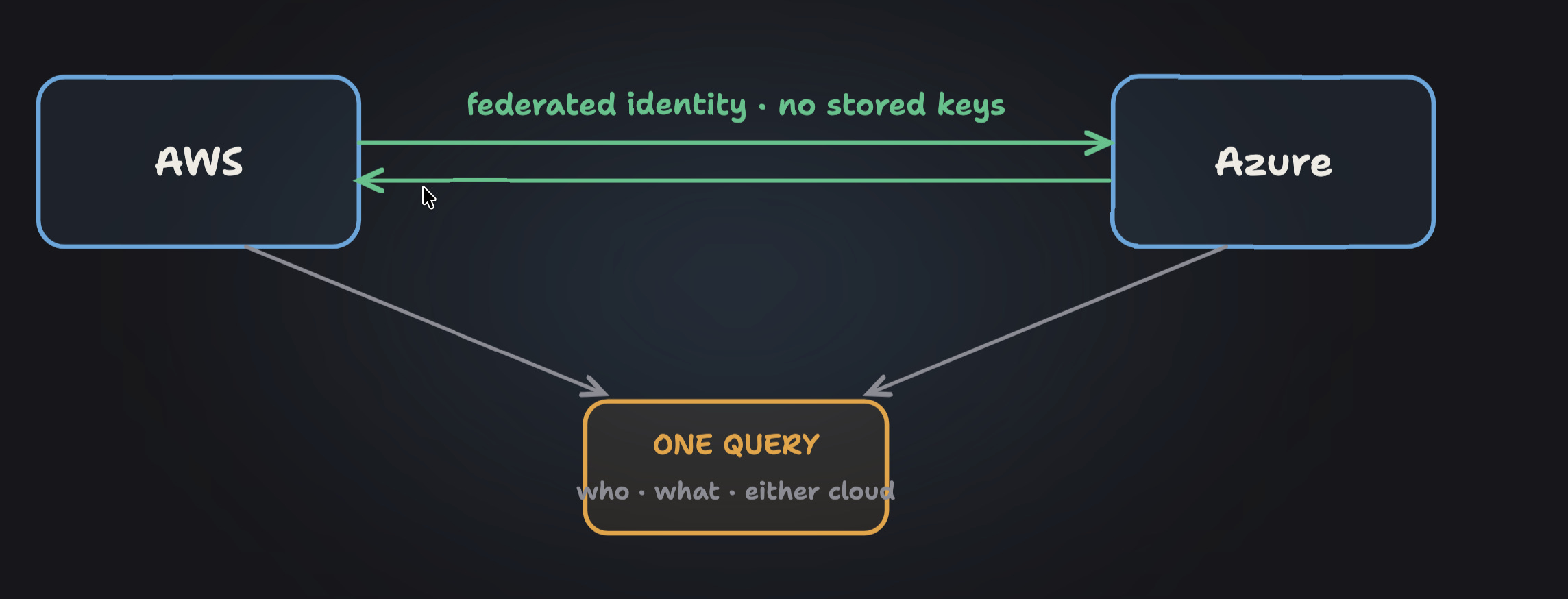
Prove it.. the two-cloud federated app. Deploy the same small workload (a static site plus one API) on two providers using their free tiers, say AWS and Azure. Wire up identity federation so a workload in one cloud assumes a role in the other with no stored keys (AWS IAM Identity Center / OIDC workload identity federation). Then ship logs from both into a single destination and write one query that answers “who accessed what, in either cloud?”
Deliverable: an architecture diagram, a working cross-cloud federated call, and one unified log query — all in a public repo.
2. Cloud-Native Architecture and Secure DevSecOps
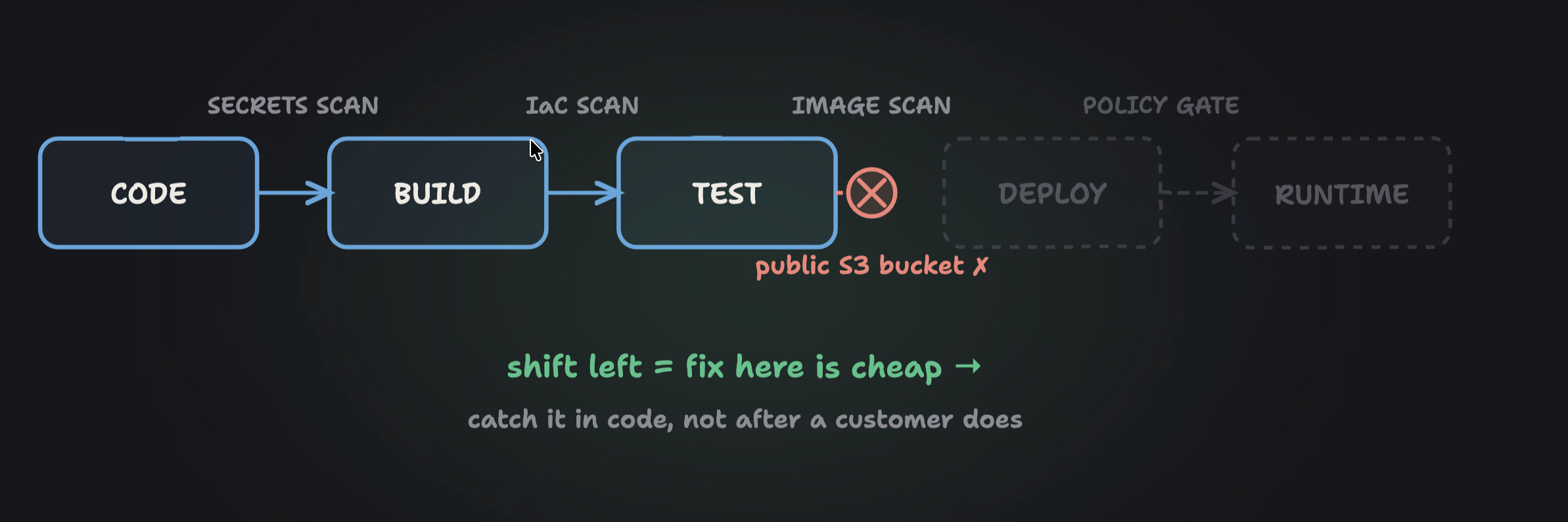
Cloud-native isn’t “lift and shift” anymore. Teams ship microservices, containers, and serverless through pipelines that deploy continuously, sometimes dozens of times a day. Security has to shift left ..into the architecture and the pipeline, not just a scan bolted onto the end.
Your focus should include serverless trust boundaries, container escape vectors, secure CI/CD, and increasingly .. the misconfigurations baked into infrastructure-as-code before a single resource is ever deployed.
Learn a reference architecture, not just services. The clearest way to show senior-level thinking is to design against an established blueprint. On AWS, that blueprint is the AWS Security Reference Architecture (SRA) — the prescriptive multi-account model that most mature environments (and FedRAMP reviews, and Well-Architected assessments) are measured against. If you can draw this from memory and explain why each account exists, you’re ahead of most candidates:
The point isn’t to memorize AWS trivia .. it’s the pattern: a separate log archive nobody can tamper with, security tooling run from a delegated-admin account rather than the org root, and workloads isolated by blast radius. Azure (Landing Zones) and GCP have equivalent models. Knowing one deeply lets you reason about the others.
One newer wrinkle deserves its own line: treat AI-generated code as untrusted third-party input. “Vibe coding” and copilot-assisted development have flooded repositories with code no human fully reviewed. The professional of 2026 asks, “At what stage are you testing your IaC templates? How do you validate a new serverless function’s trust boundary? And who actually read the code your assistant wrote before it merged?”
Prove it — the pipeline that blocks bad code. Build a GitHub Actions pipeline that deploys a containerized or serverless app via Terraform, laid out on the SRA account pattern. Add security gates: secret scanning (gitleaks), IaC scanning (tfsec or Checkov), image scanning (Trivy), and a policy-as-code gate (OPA/Conftest). Then commit a deliberate misconfiguration — a public S3 bucket, an over-broad IAM policy — and show the pipeline catching it before deploy.
Deliverable: a public repo where one “bad” commit visibly breaks the build, with the failing check shown in the README.
3. Identity, Zero Trust, and Privileged Access
As the perimeter dissolves, identity becomes the control plane. This has been true for a few years .. but in 2026 the emphasis has flipped from human identity to machine identity, and that shift is the single most important thing on this list.
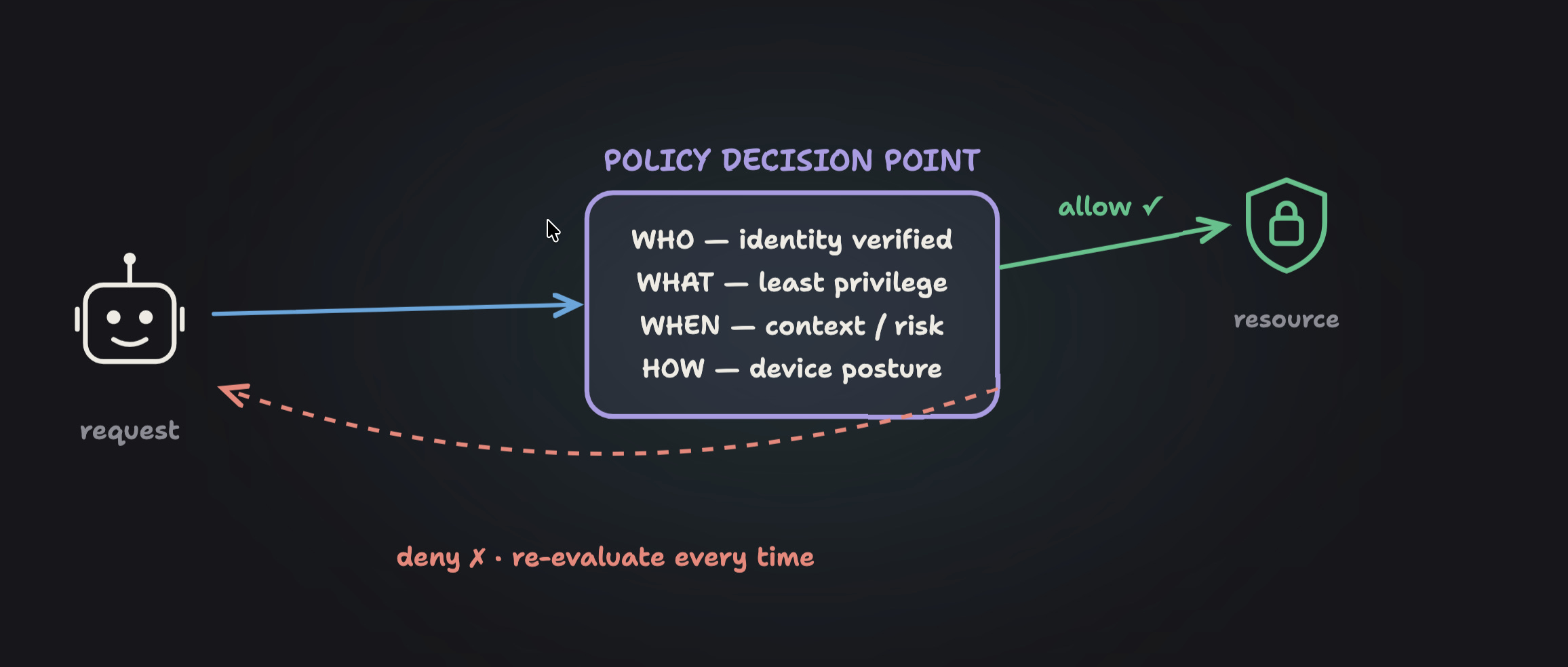
Focus areas: fine-grained service and workload identities, conditional access design for cloud services, and mapping privilege-escalation pathways across providers. Being fluent in how IAM works inside AWS, Azure, and GCP — and how the trust between them can be chained and abused — is what sets a senior candidate apart from a certified one.
Prove it .. zero long-lived keys. Take the pipeline from Section 2 and delete every static credential. Authenticate CI to the cloud via OIDC federation, give each workload its own scoped identity, and enforce per-request authorization. Then map your own attack surface with an open-source path tool and document one privilege-escalation path you found and closed.
Deliverable: an IAM model diagram, evidence that zero static keys exist anywhere in the environment, and a short privilege-escalation write-up.
4. Securing Agentic AI and Non-Human Identities
This is the section that didn’t exist in a 2024 version of this article, and it’s the one that will define careers.
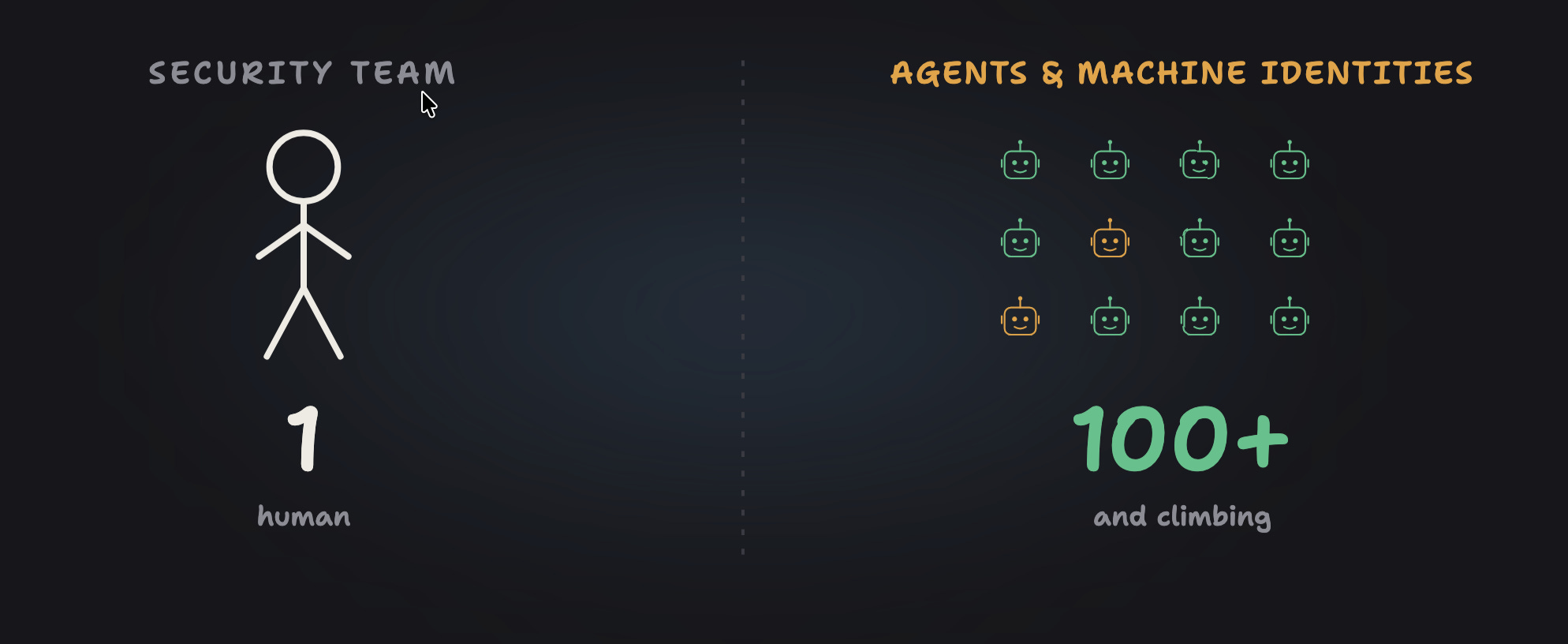
Non-human identities ..service accounts, API tokens, CI/CD automations, and now AI agents .. already outnumber human users dramatically. Across enterprises the ratio commonly sits around 45 to 1, and in cloud-native environments it climbs past 100 to 1. Autonomous agents are accelerating that curve, because an agent doesn’t file a ticket to request access. It creates a connection, pulls a token, and authenticates — at machine speed, often outside any governance process built for humans
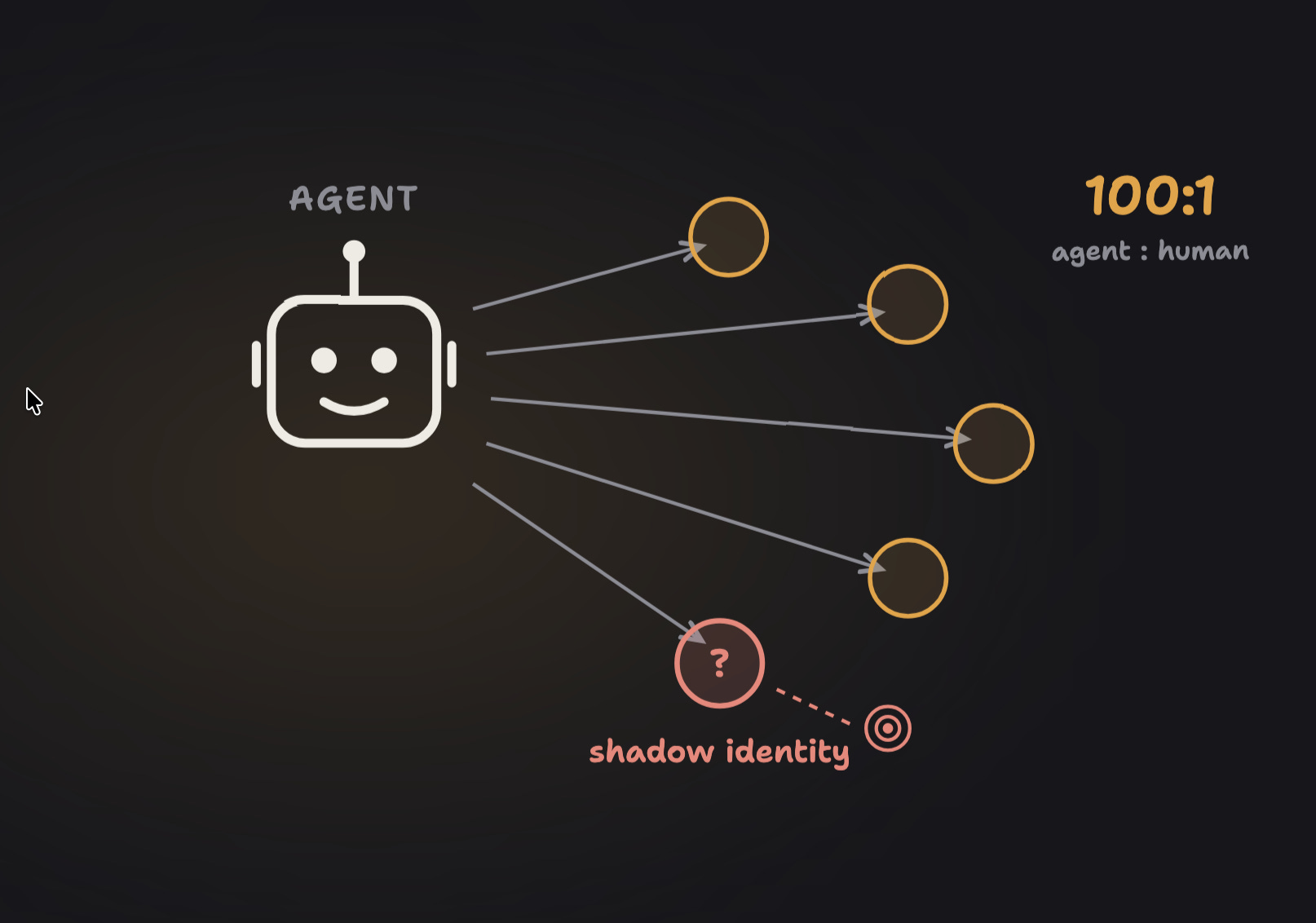
That creates entirely new failure modes:
Shadow agents and shadow identities. Unapproved assistants operating without security visibility, spawning credentials no one can trace back to an owner. If you can’t map a machine identity to the agent that created it, you’ve lost the thread.
Over-privileged agents as the new insider threat. An agent with too much scope becomes an attacker’s dream: compromise it once and exfiltrate at machine speed, without ever touching a human credential.
Protocol-level exposure. Standards like the Model Context Protocol (MCP) let agents talk to your data and tools directly. Powerful and efficient — and a fresh attack surface that traditional IAM, built for browsers and human logins, was never designed to police.
Skills to build: governing non-human identity at scale, replacing long-lived static API keys with ephemeral, identity-based credentials, enforcing least privilege on workloads and agents, detecting privilege drift, and containing an agent’s “blast radius.” Learning to reason about identity by behavior rather than a static badge is where the field is heading.
Prove it — over-scope an agent, then contain it. Deploy a small AI agent with tool access (via MCP) and give it scoped cloud permissions using ephemeral credentials. Hand it a real task, then red-team it: over-scope it on purpose and document exactly what it could reach and exfiltrate. Finally, catch it — inventory your non-human identities and flag the over-privileged one.
Deliverable: a write-up contrasting the agent’s blast radius when over-privileged vs least-privilege, plus how you detected and contained the shadow identity.
5. Crypto-Agility and Post-Quantum Readiness
Encryption is still foundational, but in 2026 it takes a specific new form, and this is no longer speculative.
In August 2024, NIST finalized its first post-quantum standards: ML-KEM (FIPS 203) for key encapsulation, ML-DSA (FIPS 204) and SLH-DSA (FIPS 205) for signatures, with more (including HQC) following. The urgency is concrete: the NSA’s CNSA 2.0 guidance sets a 2030 migration deadline for national security systems, and the “harvest now, decrypt later” threat means data with a long confidentiality lifespan is already being copied today to be broken tomorrow.
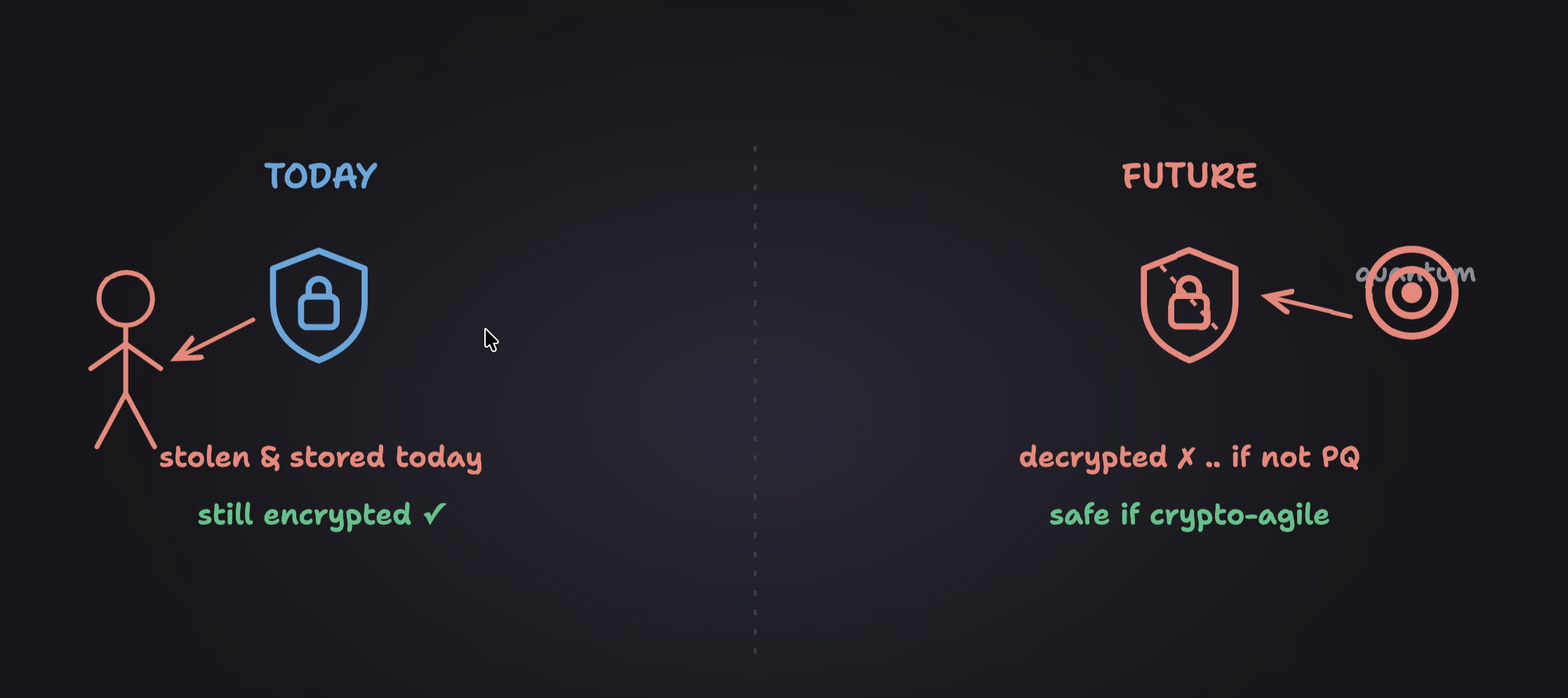
In practical terms: design key-lifecycle management for multi-tenant clouds, implement envelope encryption in serverless and container environments, and build crypto-agility .. the ability to swap algorithms without re-architecting .. into systems now. The people who can inventory an organization’s cryptography and plan a phased PQC migration will be rare and valuable well before any mandate forces the issue.
Prove it — a crypto-agility swap. Implement envelope encryption with your cloud KMS behind a thin abstraction layer, so the algorithm is a config choice rather than hard-wired. Then stand up a hybrid / post-quantum TLS endpoint (OpenSSL 3.x with the Open Quantum Safe oqs-provider, which supports ML-KEM) and run a key-rotation and algorithm-migration drill.
Deliverable: a cryptography inventory, a working algorithm swap (classical to ML-KEM), and a key-rotation runbook.
6. Governance, Resilience, and Incident Response
The strategic conversation among CISOs has shifted from preventing breaches to reducing their impact. The working assumption is that intrusions are inevitable; the goal is to limit how far an intruder — or a rogue agent — can travel before detection and containment.
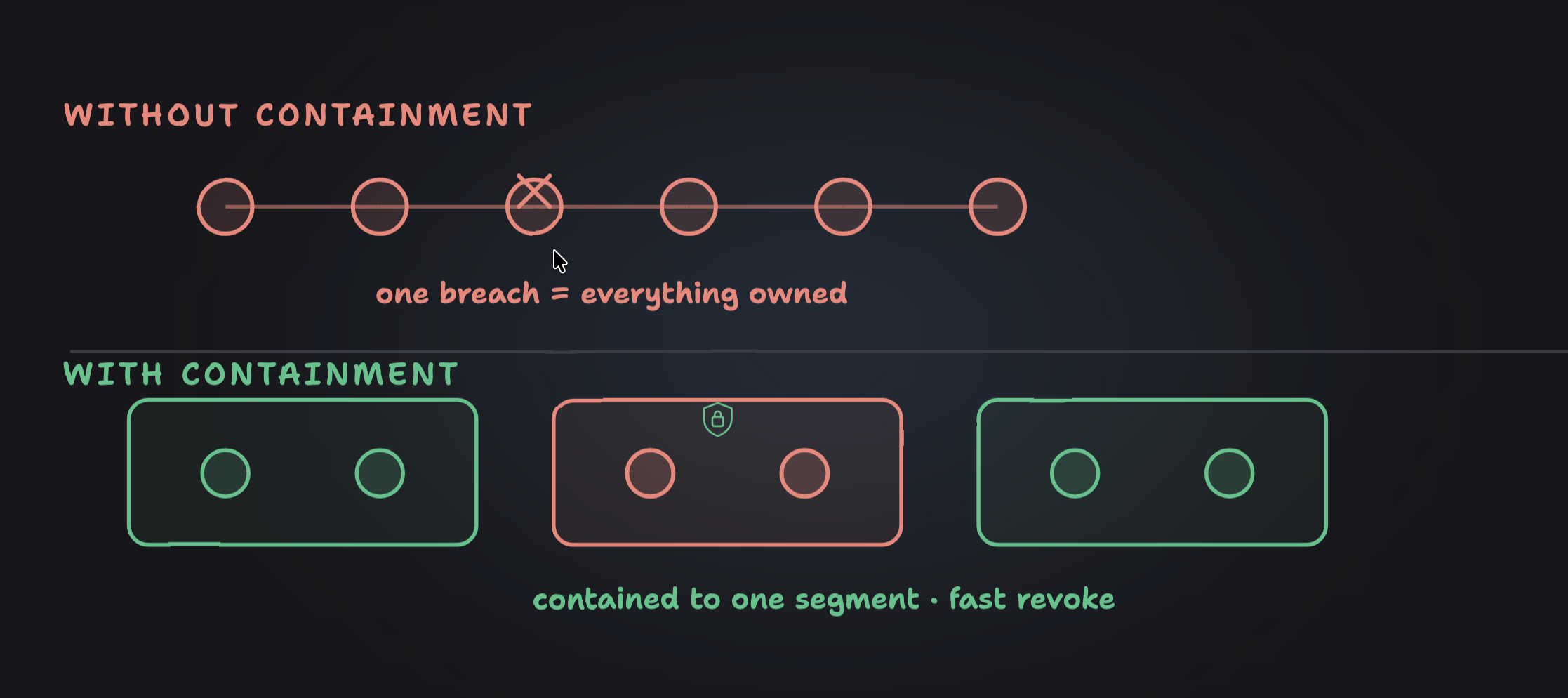
Prove it — run a credential-compromise game day. Write an incident-response runbook for a leaked key or a rogue over-privileged agent. Then actually execute it: plant a “leaked” credential in your lab, detect it, revoke it, and measure how far it could spread with segmentation vs without.
Deliverable: the IR runbook plus a game-day timeline (detect → contain → revoke) with blast-radius measurements and lessons learned.
Putting It Together: One Portfolio Lab
Notice that the projects above chain into a single environment. Build them as one evolving lab and you finish with a portfolio that tells a story — not seven disconnected tutorials.
That story is the point. In an interview, “I hold three certs” loses to
“here’s the repo where a bad commit fails my pipeline, here’s the agent I over-scoped and then contained, and here’s the game-day timeline where I cut the blast radius from the whole org down to one segment.”
Build the lab, write up each step publicly, and let the work do the talking.
How to Approach Certifications in 2026
Certifications still matter .., but the way people use them is where most careers stall. A cert gets you past an HR filter and signals baseline knowledge. It does not prove you can secure a live environment, and in 2026 hiring managers know the difference. Treat certs as a scaffold for skill, never a substitute for it.
Three rules that hold up this year:
Foundation first, then depth in ONE cloud .. not shallow breadth in three.
Start vendor-neutral to build concepts, then go deep on the single cloud your target employers actually run. Cross-cloud fundamentals plus real depth in one provider beats a thin sticker collection across all three.
Certs open doors; labs and stories walk you through them
Every cert should be paired with something you built and can narrate. “I hold the AWS Security Specialty” is weaker than “I built a multi-account setup on the SRA pattern, caught a privilege-drift finding, and here’s how I fixed it.”
A sane path for 2026:
FOUNDATION           SPECIALIZE (pick 1 cloud)        SENIOR
  +-----------+        +------------------------+     +---------+
  | Security+ |        | AWS Sec Specialty      |     |  CCSP   |
  | (HR gate) | -----> | (SCS-C03, 2025+)       | --> | vendor- |
  |    +      |        |   or  Azure AZ-500     |     | neutral |
  | CCSK v5   |        |   or  GCP PCSE         |     | senior  |
  | (neutral  |        |   or  CKS (Kubernetes) |     | creden- |
  |  concepts)|        +------------------------+     | tial    |
  +-----------+                                       +---------+
        |                                                  ^
        +--- hands-on labs run underneath the whole path --+
A few specifics worth knowing this year: CCSK (v5) is the low-barrier, open-book, vendor-neutral starting point and good prep for CCSP, the senior gold-standard credential that expects a few years of real experience. SANS/GIAC courses are excellent if your employer pays; out of pocket, CCSK plus a provider specialty plus lab work gives far better value per dollar.
And a 2026 caveat: the fastest-moving areas on this list .. agentic-AI security and non-human identity governance ..are barely covered by any exam yet. There is no cert that makes you the room’s expert here.
That’s precisely why hands-on work is the differentiator.
Final Word
The cloud is no longer “moving things off-premises.” It’s the central nervous system of the organization, and it now runs largely on machine identities and autonomous agents acting at a speed no human can match. The security demands have changed to match.
Master the areas above .. multi-cloud architecture, secure DevSecOps on a real reference architecture, machine identity and Zero Trust, agentic-AI protection, continuous exposure management, post-quantum readiness, and cloud resilience.. and back them with certifications you actually earned the skills behind. That’s how you position yourself not just for a role today, but for relevance as the ground keeps shifting.
The difference between being selected and being forgotten in 2026 won’t be whether you can configure a security group. It’ll be whether you can explain how you secured a cloud-native, AI-enabled, multi-cloud environment where the agents outnumber the humans a hundred to one .. and kept the blast radius small when something inevitably went wrong.
Put in the work now. In 2026, you’ll be the person the room relies on.
An AI agent spinning up its own credentials is exactly the scenario nobody's certification program covers. I think the uncomfortable truth is that most cloud security training still assumes a human is the actor. When software has its own identity and makes autonomous decisions your entire threat model needs rebuilding, and nobody's teaching that yet.