
The Reset Happening In Entry-Level Cybersecurity Roles In 2026
Cybersecurity Isn’t Shrinking. It’s Flattening.

For the last decade, cybersecurity has been positioned as the safe career bet.
If coding felt crowded, you moved into security. If IT support felt capped, you aimed for the SOC. If you wanted stability in a volatile economy, you chose vulnerability management, monitoring, compliance. The message was consistent: there’s a cybersecurity skills shortage.
Learn the fundamentals, get certified, break into an L1 SOC role, and you’re on a stable path.
But what almost no one is saying clearly is this: the shortage is not where most beginners are looking.
I’ve spoken to countless people trying to break into L1 SOC roles. They do what they’re told. They build home labs. They learn SIEM tools like Splunk. They understand basic incident response workflows. They pass Security+. They apply to 150 or 200 roles. And then they sit there refreshing LinkedIn, tweaking their CV again, wondering what they missed. The issue isn’t laziness.
It isn’t lack of effort. It’s structural.
L1 SOC and basic vulnerability scanning roles are built around repeatable workflows. You monitor alerts, you triage, you escalate. You run scans, review findings, generate reports, validate against known patterns, and follow documented playbooks. That structure is exactly why these roles existed at scale. It’s also exactly why they are vulnerable now.
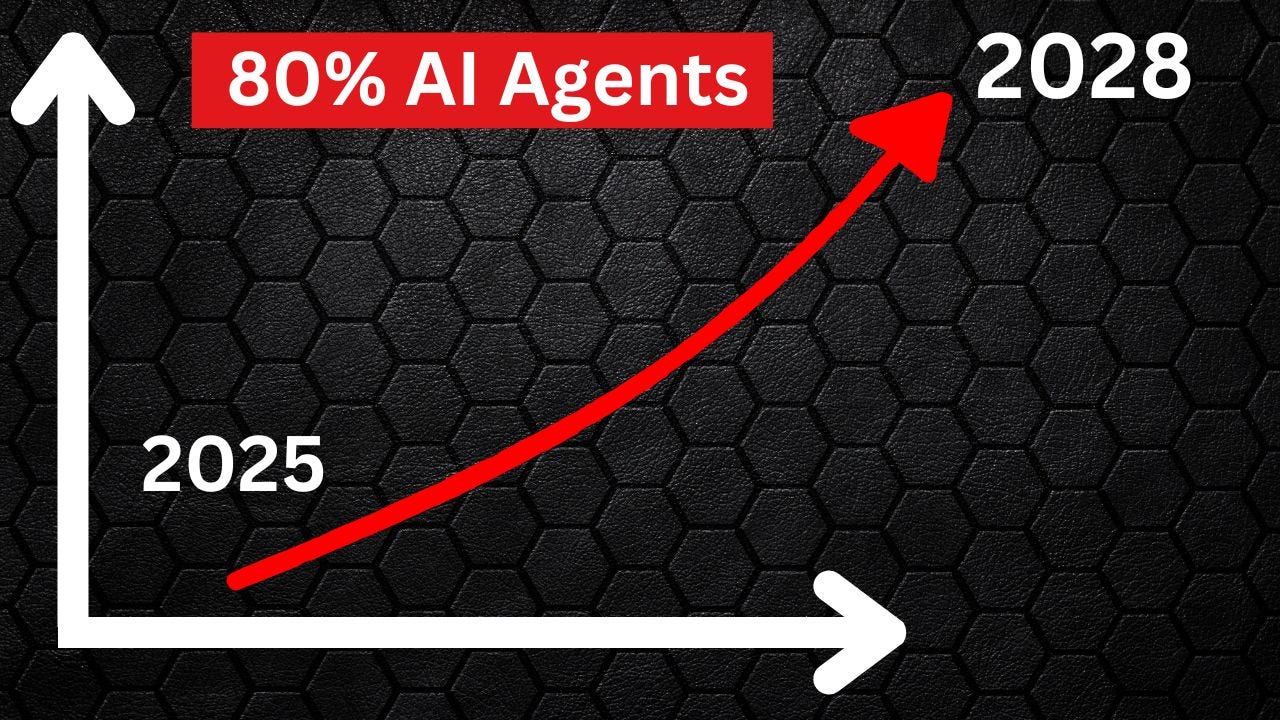
AI systems and automation platforms are becoming “good enough” at this level of work. Not perfect. Not creative. Not strategic. Just good enough. And in business, good enough plus cheaper plus always available usually wins.
Inside organizations, automation is rarely adopted simply to make analysts’ lives easier. That’s how it’s framed externally. In reality, automation is introduced to reduce dependency on headcount.
Modern SIEM platforms now integrate AI-driven triage. XDR platforms auto-correlate alerts. Vulnerability management tools prioritize findings using risk scoring models. Playbooks are automated. The workflow that once required five junior analysts might now require two, with automation handling the first-pass filtering.
The work itself doesn’t disappear. The entry-level justification does.
When companies redesign around automation, they don’t remove senior architects first. They remove the bottom of the pyramid because that’s where work is most standardized.
L1 SOC is standardized. Basic vulnerability scanning is standardized. Ticket-based triage is standardized. If your role is primarily about processing inputs, following documented steps, and producing predictable outputs, you are competing with software. And software doesn’t get tired, distracted, or expensive over time.
Meanwhile, the education pipeline hasn’t adjusted. Bootcamps still promise “SOC analyst in six months.” Certifications are still marketed as tickets in. Governments still list cybersecurity as a guaranteed growth field. But companies are restructuring teams around automation-first models. Fewer true entry-level roles are created. More junior roles now expect mid-level output. There is less patience for long ramp-up periods.
So what you see is intense competition at the bottom, even while headlines talk about shortages.
There is a shortage in cybersecurity. But it’s not primarily a shortage of entry-level alert triage analysts.
It’s a shortage of people who can design systems, engineer controls, and reduce uncertainty at scale. Organizations still desperately need cloud security architects, security engineers who can automate controls, detection engineers who build logic instead of just monitoring alerts, and professionals who understand AI risk, governance, and system-level resilience.
Notice the shift. The value is moving toward people who build and shape the system, not just operate within it.
This doesn’t mean you should avoid SOC roles entirely. For many people, they are still valuable entry points. But they should be viewed as platforms, not destinations. If you’re in a SOC, don’t just learn how to close alerts faster. Learn how detection rules are written. Understand how log pipelines are architected. Study how automation reduces noise. While others are running vulnerability scans, learn how to integrate scanning into CI/CD pipelines and cloud-native architectures. Move toward engineering. Move toward architecture. Move toward risk-based decision-making.
Cybersecurity isn’t collapsing. It’s evolving. The traditional pyramid model with a wide base of junior operators and a narrow top of architects is flattening. There will be fewer pure operators over time and more expectation that even early-career professionals understand automation, cloud environments, and system design.
If you’re early in your career, this isn’t a reason to panic. It’s a reason to reposition. AI doesn’t need to outperform you at strategic thinking. It only needs to handle repetitive tasks well enough to make certain roles harder to justify. If you want to future-proof yourself, you need to operate at a level where AI is something you design around and leverage, not something you’re quietly competing against for the same standardized workflow.
That’s the reset happening in cybersecurity. And the sooner you recognize it, the more control you regain over your direction.
The "shortage isn't where most beginners are looking" line is blunt and correct. Entry-level triage work is the most automatable part of security, which is why it's getting replaced first. But the demand for people who can build detection logic, architect controls, and audit AI-generated output is very real and very undersupplied.
The ISC2 data puts it at 4.8 million unfilled roles globally, with wages for senior roles running $150k-$250k. The gap isn't closing - it's growing 19% year on year. Wrote about the demand side of this recently: https://blog.devgenius.io/the-code-we-cant-secure-why-cybersecurity-is-about-to-become-the-hottest-career-in-tech-1f4f466d5c38